Essential Tree Services for Healthy Growth and Maintenance
Essential Tree Services for Healthy Growth and Maintenance
Blog Article
Ensuring a safe and healthy setting around residential and commercial properties often copyrights on tree removal. Trees can enhance the beauty of an area, but they may also become a risk if they aren’t managed well. When trees suffer from disease, encounter storm damage, or grow too large, tree removal becomes necessary. Using a professional tree service can help ensure that this process is executed safely and effectively at the official site. With numerous service choices available, comprehending the importance of tree removal services is critical for achieving a secure and visually appealing landscape. Tree removal involves the complete extraction of a tree from its location, typically including the root ball. This process can become necessary if the tree is dead, poses a danger to structures, or interferes with power lines or walkways. Professional tree services manage these operations to ensure minimal disruption to the surrounding environment. Techniques vary based on the tree's size, location, and the proximity to buildings or other trees. For complex and large trees, equipment such as cranes might be necessary. It’s essential to hire certified professionals who adhere to safety regulations and can handle all aspects of tree removal. Recognizing when a tree needs to be removed is crucial for property safety. Signs include visible decay, falling branches, or a leaning trunk. Additionally, trees that block sunlight or grow too close to structures may require removal to maintain the landscape's health. Professionals in the field offer a range of services that can help determine the tree's viability and whether removal is justified. Engaging with services like tree trimming removal service can provide insights into assessing a tree's condition and making informed decisions. The procedure for removing a tree is typically structured into distinct phases, beginning with a detailed assessment performed by an arborist. They evaluate the tree's health as well as its potential effects on neighboring structures. Following this evaluation, a tailored removal plan is formulated to address the unique challenges presented by the tree. Equipment such as chainsaws, ropes, and potentially stump grinders are necessary for effective execution. The removal steps unfold sequentially: first, the branches are methodically trimmed, and then the trunk is dismantled in manageable portions. The roots are finally extracted, where stump grinding is frequently utilized to clear the site for future landscaping or planting endeavors. Once the tree is removed, tackling the issue of the stump remains essential. Utilizing services like stump grinding can facilitate the recovery of the land without leaving behind unsafe remnants that could disrupt the aesthetics or usability of the area. Property owners should have a clear understanding of what affects tree removal costs. The height of the tree, its trunk diameter, and its proximity to buildings are all major factors influencing the total price. Trees situated in hard-to-reach areas or near structures typically lead to higher costs due to the additional safety precautions required. Generally, you can expect the cost of tree removal to vary widely based on these criteria, with tree service companies providing estimates that reflect these variations. It’s essential to compare quotes from multiple companies to find competitive rates while ensuring you are selecting reputable services. To accommodate different financial situations, many tree services offer customized solutions that can help you stay within your budget. If you are interested in understanding more about costs associated with tree care, consider visiting relevant resources, such as the informative page on tree removal.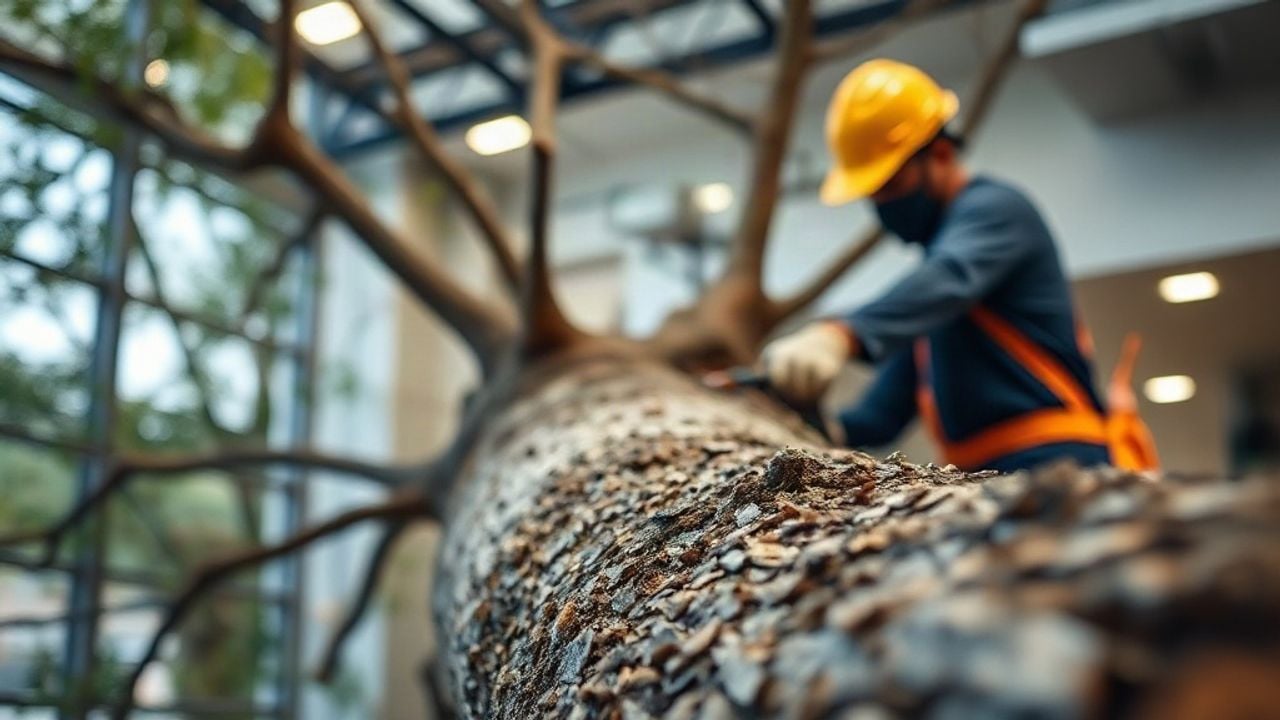 Summit Tree Servicestree trim service near me
Understanding Tree Removal Services
Evaluating the Need for Tree Removal
The Tree Removal Process
Cost Factors for Tree Removal
tree removal
Tips for Effective Tree Care
Taking care of your trees not only enhances your landscape but ensures their health and longevity. Implementing regular tree health assessments will help prevent the need for drastic measures later.
- Schedule regular inspections to monitor tree health.
- Engage tree pruning service to keep trees healthy and shapely.
- Consider the environment when planting new trees.
- Utilize professional tree services for major maintenance.
- Stay informed on local regulations regarding tree removal and care.
Steps to Remove a Tree Safely
- Assess the Tree's Condition: Begin with a professional inspection to determine if removal is necessary. They will check for damage, disease, and proximity to structures.
- Create a Removal Plan: Based on the evaluation, the service will devise a safe removal plan, considering fall direction and necessary equipment.
- Inform Surrounding Areas: Communicate with neighbors about the planned removal and alert them to any potential disruptions or hazards.
- Prepare the Area: Clear the vicinity to allow for safe access to the tree. This may involve removing furniture, vehicles, or obstacles.
- Execute the Removal: The tree service team will perform the removal in stages, starting with branches, followed by the trunk, and finally the stump.
- Post-Removal Cleanup and Assessment: After removing the tree, the area should be cleaned, and a follow-up visit may be arranged to review the space and discuss future care options.
Frequently asked questions
What is tree removal?
Tree removal is the process of completely extracting a tree and its root system from a designated area, typically due to safety, aesthetic, or health reasons.
How do I choose a tree removal provider?
Choose a provider by checking credentials, reviews, and insurance coverage. Get multiple quotes and ensure they offer comprehensive services including tree trimming and stump grinding.
How much does tree removal cost?
Tree removal costs vary based on tree size, location, and condition. On average, you can expect to pay between $200 to $2,000; it’s advisable to obtain estimates based on specific circumstances.
What happens to the stump after removal?
After removal, the stump can be left, ground down, or removed entirely. Stump grinding is preferred for aesthetics and prevents pest infestation.
Are there environmental considerations when removing trees?
Yes, it’s critical to consider the impact on local wildlife and the ecosystem. Some trees may harbor nesting birds or other wildlife, requiring careful planning and timing for removal.
Understanding tree removal and its related services allows homeowners to maintain their landscapes effectively and safely. By engaging professionals, property owners can ensure that trees are removed with minimal disruption.
Regular tree care and attention to the health of the landscape enhances safety and can prevent the need for future removals, creating a thriving environment.